The Return of the Priestess: Why Women Once Held the Sacred
Across history, women once held important spiritual, ceremonial, healing, and initiatory roles within their communities. They tended sacred fires, guided rites of passage, worked with plants and prayer, interpreted dreams, guarded temples, sang invocations, mourned the dead, welcomed births, and helped people move through life’s thresholds.
And then, patriarchal religions and an indoctrinated mindset almost completely wiped the feminine from his-story to make space for power-hungry institutions that centred men in spaces women once stood.
The result is that many modern women have grown up disconnected from the knowledge that women once held recognised and respected roles as healers, oracle keepers, ritual leaders, temple guardians, and custodians of rites of passage.
And perhaps this is why so many women today are feeling guided to reclaim what was forgotten.
You don’t have to look far to see that these women’s roles are being resurrected. Why? Because women are reclaiming their rightful place in sacred spaces through ceremony, intuition, community, embodiment, and a deeper relationship with the sacred feminine.
If this is giving you full-body tingles, it is because you are reading the truth.
And perhaps you are walking this path, too.
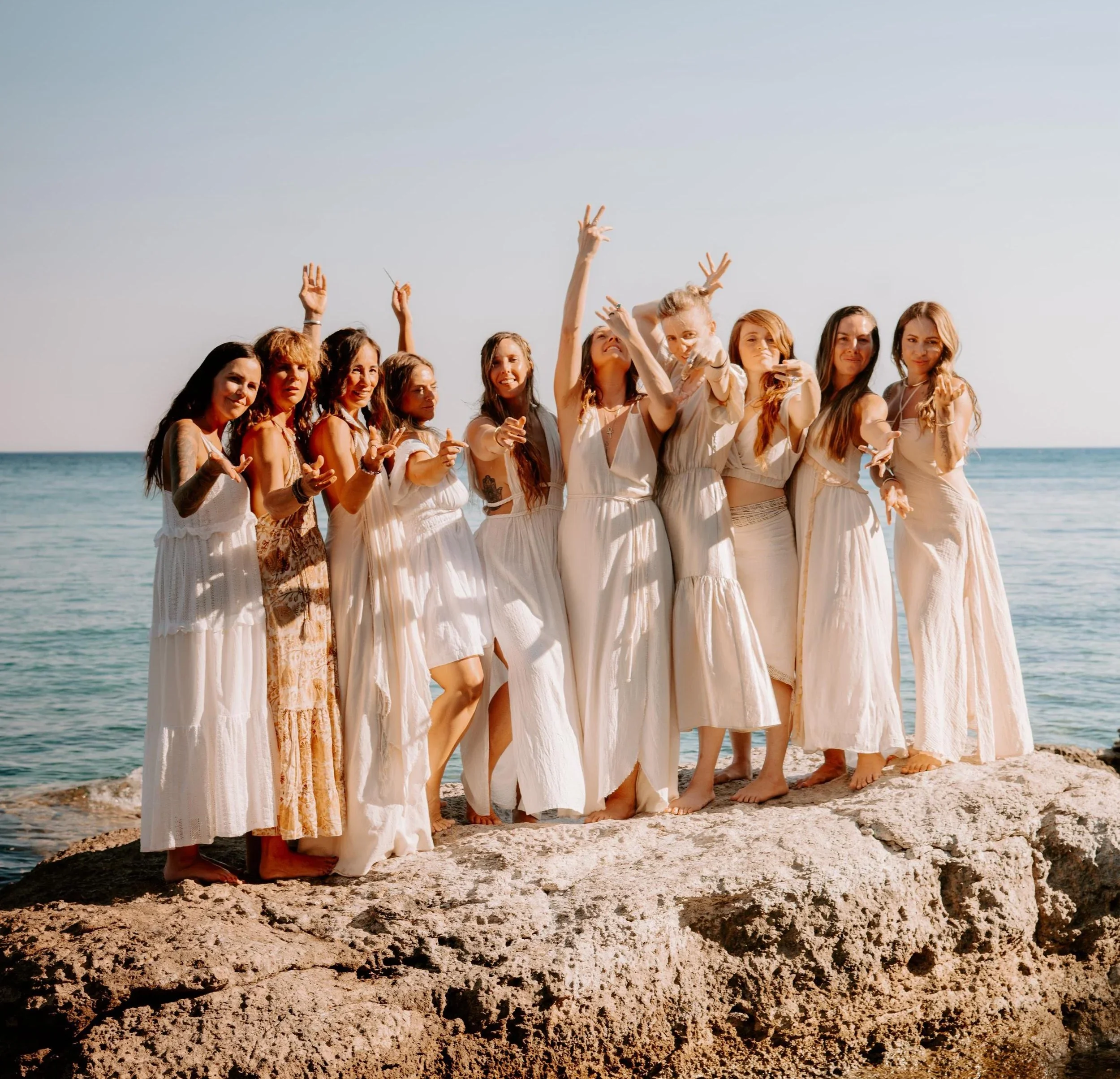
What Is a Priestess?
A priestess was traditionally a woman devoted to spiritual service, ritual, sacred wisdom, or temple life.
Depending on the culture and era, priestesses acted as:
spiritual guides
ceremonial leaders
healers
oracles and seers
temple guardians
midwives and death attendants
keepers of sacred knowledge
musicians, dancers, and initiators
custodians of rites of passage
In many ancient societies, spirituality was not separated from daily life. The sacred was woven into fertility, seasons, birth, grief, community, land, storytelling, and womanhood itself.
The role of the priestess often existed at the centre of this.
Why Are Priestesses Returning Now?
Today, many women are seeking:
deeper meaning
community
ceremony
embodiment
spiritual connection outside rigid systems
rites of passage that modern culture often lacks
There is also growing awareness around nervous system healing, cyclical living, ancestral wisdom, feminine spirituality, and the psychological importance of ritual.
The modern return of the priestess is not about recreating ancient cultures exactly as they were. It is about remembering that women have always held sacred roles.
For some women, the priestess archetype represents:
devotion
integrity
leadership
intuition
grounded spirituality
service to community
connection to life’s transitions
The “return of the priestess” is about reclaiming relationship with the sacred. And this is what we are here to do.