Who were the priestesses of the past?
Priestesses in Ancient Egypt
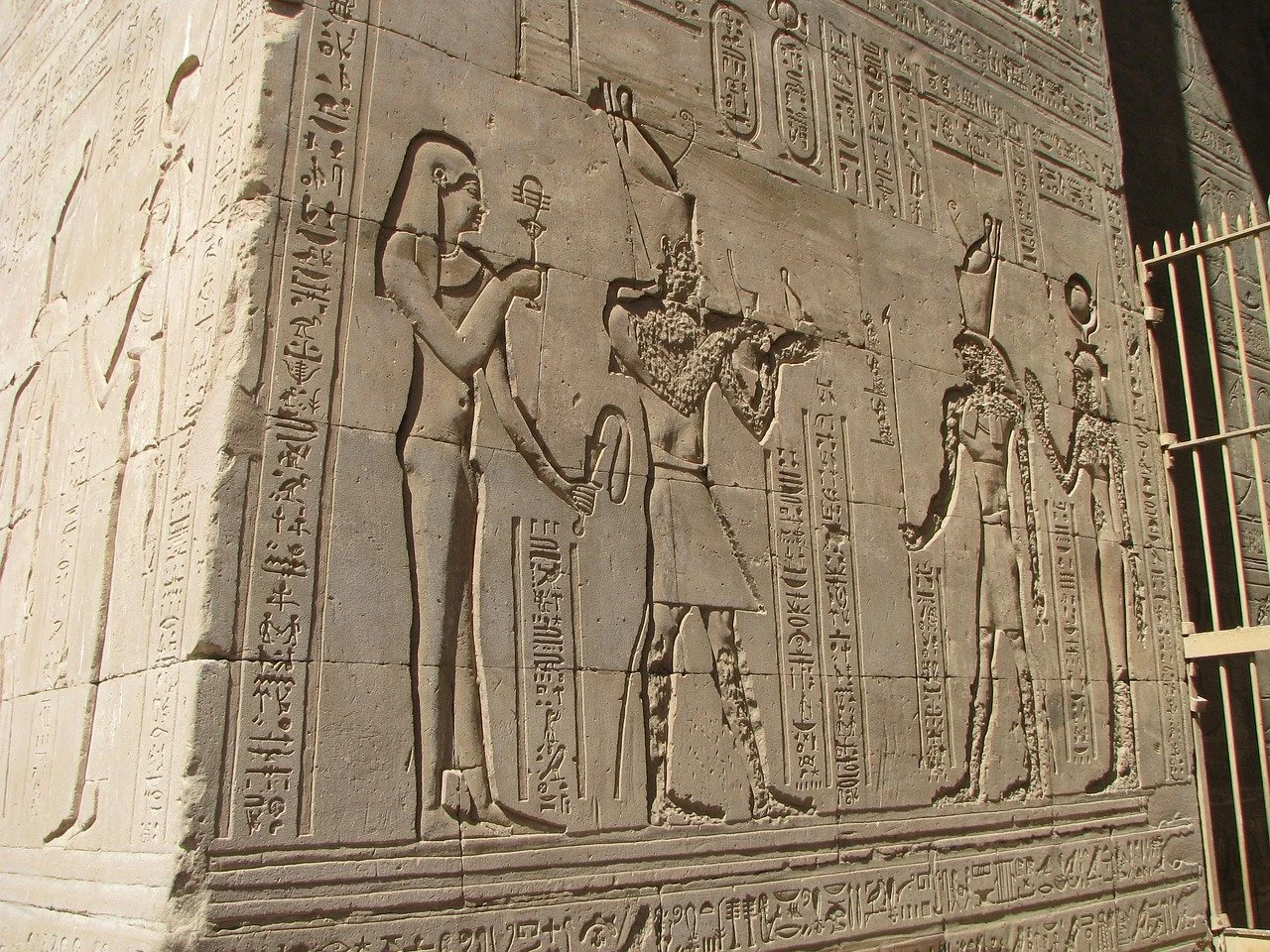
Some of the most well-known priestesses existed in ancient Egypt.
Women served within temple systems dedicated to deities such as Isis, Hathor, and Sekhmet.
The priestesses of Isis were especially revered. Isis was associated with magic, motherhood, healing, initiation, and resurrection. Her temples spread throughout the Mediterranean world for centuries.
Historical records show that Egyptian priestesses:
performed rituals and offerings
maintained temples
worked with sacred music and chant
participated in initiation ceremonies
held positions of political and spiritual influence
Egyptian temple traditions also understood spirituality as energetic and embodied. Sound, scent, oils, movement, purification, and altered states of consciousness were part of sacred practice.
The Oracle Priestesses of Greece
In ancient Greece, one of the most famous priestesses was the Pythia, the Oracle of Temple of Apollo at Delphi.
The Oracle of Delphi was consulted by kings, military leaders, philosophers, and ordinary citizens seeking guidance. The priestess would enter trance states and deliver prophetic messages believed to come from the god Apollo.
Importantly, the most trusted spiritual voice in the ancient Greek world was often a woman.
Other Greek priestesses served goddesses connected to wisdom, fertility, the moon, love, and the mysteries of life and death.
Ancient mystery schools ~ including the Eleusinian Mysteries ~ also involved sacred rites of initiation connected to feminine cycles, descent, rebirth, and transformation.
Celtic Priestesses & Women of the Land
In ancient Celtic traditions across parts of Ireland, Scotland, and Wales, women often held roles connected to prophecy, healing, herbalism, and sovereignty rites.
Some traditions speak of women associated with the Druids, though historical evidence is more fragmented than in Egypt or Greece.
What is clear is that many pre-Christian European traditions honoured:
sacred wells
seasonal ceremonies
fertility rites
land stewardship
oral wisdom traditions
the spiritual significance of women and cycles
Many of these traditions later became suppressed, hidden, or absorbed into Christian structures as Europe converted.
Today’s priestess may not live in a temple.
She may be you:
a ceremonialist
therapist
artist
yoga teacher
mother
birth worker
grief guide
meditation facilitator
space holder
healer
community leader
storyteller
The modern priestess often bridges the ancient and contemporary worlds, bringing ritual, embodiment, and meaning back into modern life.
This is one reason why practices like women’s circles, rites of passage ceremonies, meditation, embodiment work, sacred dance, ancestral healing, and ceremonial gatherings are growing in popularity again.
People are searching for spaces that help them feel human, connected, initiated, and seen.
And so, the priestesses are returning ✨